

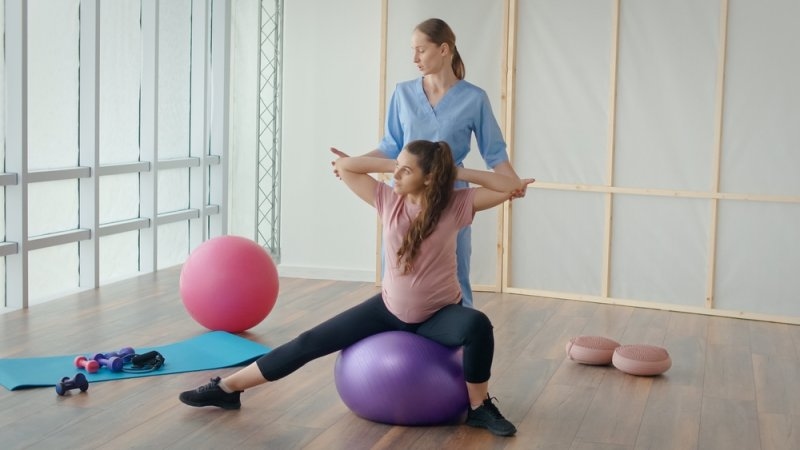
It’s true: pregnancy shifts everything. The way you move, balance, breathe, and recover—it all changes. But that doesn’t mean you should ditch exercise. Actually, staying active can make everyday tasks feel easier and boost both heart health and your mood. Just remember, this isn’t the time for personal bests or copying intense workouts you find online.
What works best? Keep things steady, comfortable, and flexible. If you have medical conditions, talk it over with your prenatal provider before you start or change your routine. In this post, you’ll find tips for staying active during pregnancy, safe exercise options, and ideas for each trimester.
Exercise during pregnancy works best when it supports the body rather than pushing it beyond its changing limits.
The benefits of exercise during pregnancy can include better cardiovascular fitness, improved muscle endurance, easier movement, and reduced stiffness. Staying active when you’re pregnant isn’t just good for your body—it can really lift your mood and help you sleep better. Plus, a little movement now gets you ready for the physical ups and downs of pregnancy and helps with recovery afterward.
The key is consistency, not intensity.
Physical activity during pregnancy can be divided across the week rather than forced into long sessions. A brisk walk today, light resistance work tomorrow, and swimming later may be more realistic than one exhausting workout.
If your pregnancy isn’t complicated, doctors usually say moderate activity is a good idea. But, of course, everyone’s different, so your doctor might suggest something specific just for you.
Also Read: Pregnancy Acne: Causes, Treatments, and Safe Skincare Tips
The best pregnancy exercises are usually simple enough to repeat without complicated equipment or aggressive movements.
You don’t need fancy equipment or complicated routines. The simplest exercises, done regularly, get the job done. Some of the safest choices include walking at your own pace, swimming or water workouts, stationary cycling, gentle strength training (with tweaks as needed), and prenatal yoga with the right modifications.
These activities keep your main muscles working without making you worry about slipping or falling. Stick with moves that feel steady and easy to control. And if your balance ever feels off, just switch to a version with more support.
If you are wondering what exercises are safe during pregnancy, think about control first. You should generally be able to maintain steady breathing and speak comfortably during moderate activity.
For example, a beginner might start with a 15-minute walk, add gentle strength exercises twice weekly, then gradually increase duration if comfortable.
A pregnancy workout should not remain identical for nine months because the body itself is not remaining identical.
| Stage | Practical Focus | Useful Options |
|---|---|---|
| First trimester | Maintain familiar activity if comfortable. | Walking, cycling, light strength |
| Second trimester | Modify balance and abdominal pressure. | Walking, swimming, supported strength |
| Third trimester | Prioritize comfort and stability. | Walking, water exercise, gentle mobility |
These are general examples, not personal prescriptions. Every trimester is a little different, so let your symptoms, energy, your doctor’s advice, and how your body feels guide you.
How much you move depends on what you did before you got pregnant and how your pregnancy is going. A common general target for uncomplicated pregnancies is around 150 minutes of moderate-intensity aerobic activity each week.
That can be split into smaller sessions. Ten or twenty minutes still counts.
Don't Miss: Implantation Cramps, Symptoms, Bleeding, and Pregnancy Timing
Knowing the exercises to avoid during pregnancy is less about memorizing a huge list and more about recognizing avoidable risks.
What exercises should you avoid during pregnancy? Anything that comes with a real risk of falling, getting hit in the belly, or running into people isn’t worth it. Contact sports, downhill skiing, horseback riding, and activities involving significant fall exposure may need to be avoided.
Hot yoga or exercising in extreme heat can also create unnecessary stress. Your clinician can advise based on your circumstances.
Exercises to avoid during pregnancy also include anything that produces concerning symptoms. Stop exercising and contact your healthcare professional if you experience vaginal bleeding, fluid leakage, chest pain, severe dizziness, painful contractions, or significant shortness of breath.
Do not try to push through unusual symptoms.
If you were not exercising before pregnancy, starting slowly is usually more sensible than jumping into a full pregnancy workout program. The best exercises during pregnancy for beginners are low-impact and easy to control.
If you’re new to exercise, start slow—think short walks, stretching, or some easy, supported strength moves. Give your body time to adjust instead of ramping everything up all at once.
A simple example is a 10 to 15-minute walk followed by gentle stretching, repeated regularly.
Is exercise safe during pregnancy? For many people with uncomplicated pregnancies, regular moderate activity is considered appropriate. But pregnancy conditions vary widely, so individual medical advice matters.
Exercise should support your pregnancy, not compete with it. If your healthcare professional has placed restrictions on activity, follow those instructions instead.
The benefits of exercise during pregnancy are useful, but they should not be exaggerated into promises about preventing every pregnancy discomfort. Sticking to regular movement during pregnancy keeps your stamina up, strengthens your muscles, helps you stay flexible, and supports your mood.
Plus, everyday stuff—like climbing stairs or carrying groceries—just feels a bit easier when you’re moving regularly. Small sessions add up.
Consider someone who normally sits most of the day. Instead of starting a demanding pregnancy workout, they could walk for 15 minutes after breakfast, perform light strength exercises later in the week, and use gentle mobility work on other days.
That plan is modest. It is also repeatable.
Suggested Reading: Managing First Trimester Pregnancy Symptoms: Essential Tips
There’s no need to overcomplicate things. You don’t need fancy equipment or a grueling schedule—a walk, swim, short stationary bike ride, or simple, careful strength work does the trick. The goal isn’t to hit your pre-pregnancy numbers. It’s about staying active while listening to your energy, keeping comfortable, and following medical advice.
As your belly grows and your body shifts, tweak your moves. Watch for warning signs, drink water, and let your healthcare provider know if you have concerns. In the end, consistency beats intensity. Moving your body in safe ways—even if it’s gentle—makes a real difference during pregnancy.
Yes, if it feels comfortable for you and if it makes you feel hydrated. A small snack may be preferable for those who become nauseated or dizzy easily.
Definitely. Hydration matters—before, during, and after movement, especially when it’s hot out. Sip water regularly instead of waiting until you’re thirsty.
Gentle strength and mobility moves can support your posture and relieve some of the strain as your body changes. Everyone’s results differ, so stick with exercises that feel good and make adjustments as you go.
Not always. If you’re outdoors, using gym equipment, or trying something new, having a friend nearby is a good idea—just in case you feel off.
Most people work back into movement gradually—for that, timing depends on your delivery, recovery, and health. Your healthcare provider can help you figure out when and how to start again.
This content was created by AI