

It is exciting to welcome a new baby, and recovery from surgery at the same time can be tricky. You will need to heal from a major surgery while also navigating a new baby! Luckily, small, everyday habits can aid in your recovery, especially during the initial days following the birth. Follow these easy tips to help your body heal and help you feel stronger.
If you are asking yourself, "How do I recover from a C-section at home?" It mainly has to do with supporting your body and not rushing yourself! Here are tips for helping speed the C-section recovery process:
When you're recovering from childbirth and surgery, getting as much sleep as possible will speed up the process. Focus on getting rest while the baby sleeps. Your other responsibilities will still be there when you're feeling better. Accept all help from others to make sure you are getting rest during the first few weeks of recovery.
Although rest is important, getting up and out of bed for short walks will help you heal. Walking will help blood flow to your legs and abdomen, and it also aids digestion. Even short walks around your home will help your body in recovery, and it is one of the answers to, "How do I recover from a c-section at home?" since you will not be exerting your body much at all.
The key to healing is staying hydrated. This is not only important for circulation but for a lot of other bodily functions too! Staying hydrated helps aid in the healing process of your surgical site, and it also helps prevent constipation. Try sipping water throughout the day. Hydration is even more important if you are breastfeeding.
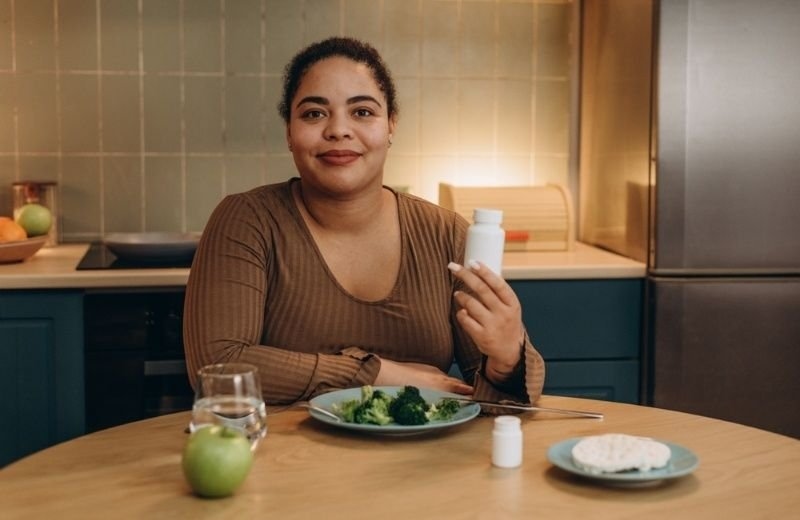
The foods you eat can play a big role in how fast you recover from surgery. Foods rich in protein will aid in tissue repair, and foods high in vitamins and antioxidants will aid in healing as well. Aim to eat meals that consist of lean meats, fish, eggs, and lots of produce, along with foods that consist of carbohydrates.
One of the biggest tips about C-section scar care is keeping the area clean and dry. Listen to your doctor and always follow their specific instructions. Check your incision daily for signs of swelling or redness and keep an eye out for any discharge that seems unusual.
With recovery from surgery, comfort should be your first priority. Anything that is too tight around the abdomen could be uncomfortable and may even irritate your stitches or scar. Choose loose clothing that will allow you to move easily. High-waisted undies are also common, as the elastic does not rest directly on your incision and instead stays over it.
There are times when pain management after your C-section will be crucial for comfortable healing. Use pain medication as your doctor recommends. You will be more inclined to try the above suggestions if you are not in too much pain.
When you are moving around or even coughing/sneezing, it can cause unexpected pain or discomfort in your abdomen and incision site. Use a pillow to support your stomach; this simple trick will make the everyday tasks in your C-section recovery that much more manageable.
This may be obvious to some, but it is so important not to overdo it after your C-section. You will need to refrain from lifting anything that weighs more than your baby until your body is fully recovered. This is something to be mindful of during the first few weeks after surgery and when considering the difference between vaginal vs C-section recovery times.
There are definitely mothers who want to get back to the gym or fitness regimen immediately, but take a break! You must let your body recover from surgery first. You will want to avoid any high-impact workouts, as well as anything that requires core muscle engagement, until you receive clearance from your doctor.
Monitor your recovery for any abnormal signs that would be associated with an infection. Keep an eye out for an increased temperature, abnormal drainage, pain, redness, or swelling around your incision. Contact your doctor if you think any of these symptoms might be present.
How long does C-section recovery take? While initial healing happens between 6 and 8 weeks, it takes about 6 months to fully recover. Some mothers heal faster than others, and it is important not to compare your recovery journey to others. There are always things that you should and should not do after a C-section; the recovery time can really depend on how well you are listening to your body and giving yourself what it needs.
It is easy to become overwhelmed after birth, even when everything goes smoothly with labor and delivery. Mental health is a big undertaking in postpartum recovery, and it is normal to feel an array of different emotions during this time, but be sure to talk about it and lean on loved ones when you need support.
Let people help you! Your family and friends want to make this transition as smooth as possible for you. They will gladly step in and help you with cooking, cleaning, laundry, and caring for your baby. Taking the help when offered will truly allow you to take the necessary time for recovery, thus contributing to your successful C-section recovery and ultimately helping with any mental health struggles one might experience from adjusting to a new life, surgery, and baby!
A common topic among expecting parents is the C-section vs vaginal birth recovery comparison. While it is common to try to determine how C-section recovery compares to vaginal birth recovery times, it is important to remember that everyone experiences childbirth differently. Your experience may vary greatly compared to other women's experiences in recovery, regardless of how they gave birth.
Related Blog: Pregnancy Week by Week Guide for Healthy Baby Growth
Recovering from a C-section is a marathon, not a sprint. Focus on rest, drinking fluids, nutrition, light activity, and watching over your incision, and you can accelerate your recovery! Don't hesitate to reach out and take your time! Use this C-section scar care tips guide as a resource and to be certain that you know what you should and should not do following your C-section, and you will be on your way to feeling like yourself again!
While it varies per person, you should be able to sleep on your side once you feel comfortable. Using pillows to provide additional support could be very useful in diminishing the pressure around the incision site and providing added sleep comfort.
Most health care providers advise that you wait to take a bath until the incision has healed sufficiently. However, always adhere to the specific recommendations from your health care provider in relation to baths and wound care.
Yes, it should fade over a period of time and appear lighter on the skin. Effective wound care will help in healthy scar formation. Most C-section scars become flatter and lighter within a few months to a year, but vary according to skin type, inherited traits, etc.
Many women experience numbness around the incision after a C-section, as the nerves take several months to heal, and it's totally normal. Numbness should slowly decrease over several months, but a mild numbness will likely remain there longer.
This content was created by AI